
CRITICAL POWER: THE NUMBER THAT ACTUALLY EXPLAINS YOUR RACING
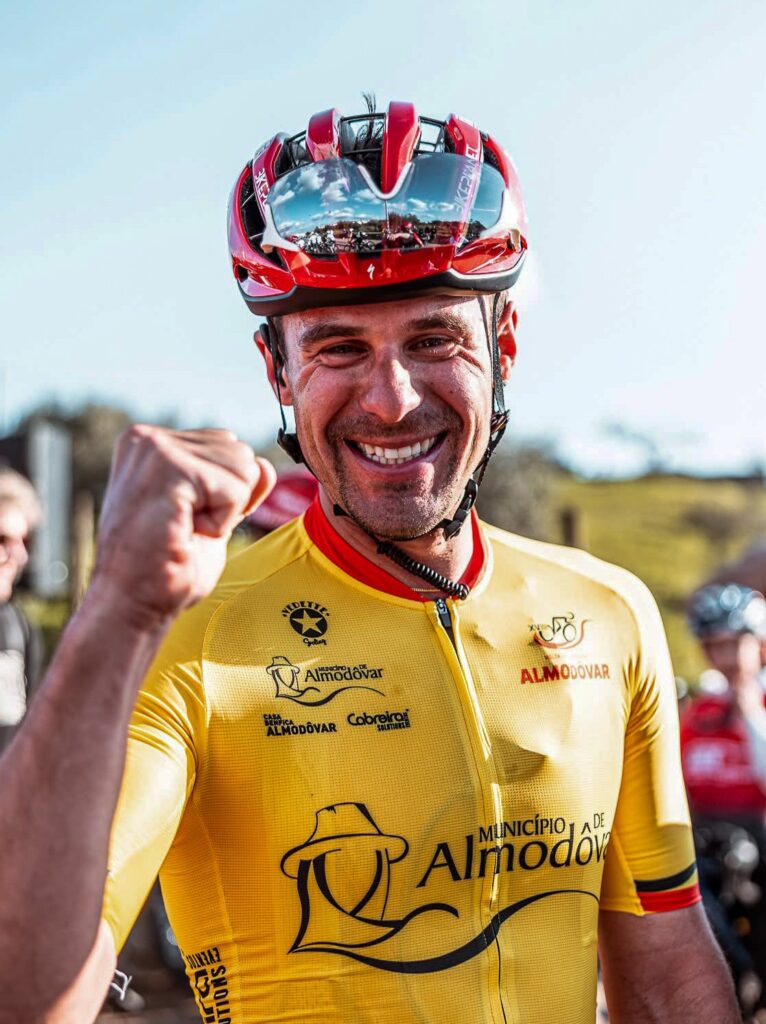
The biggest change I see in riders isn’t physical at first – it’s awareness.
WHAT IS W’ (W PRIME)? AND WHY IT EXPLAINS WHY YOU GET DROPPED

If you train with a power meter, sooner or later you will see the term W′ (W prime).
Many riders see this number after testing or inside performance analysis, but very few really understand what it means when the race gets hard.
THE IMPORTANCE OF CONSISTENCY
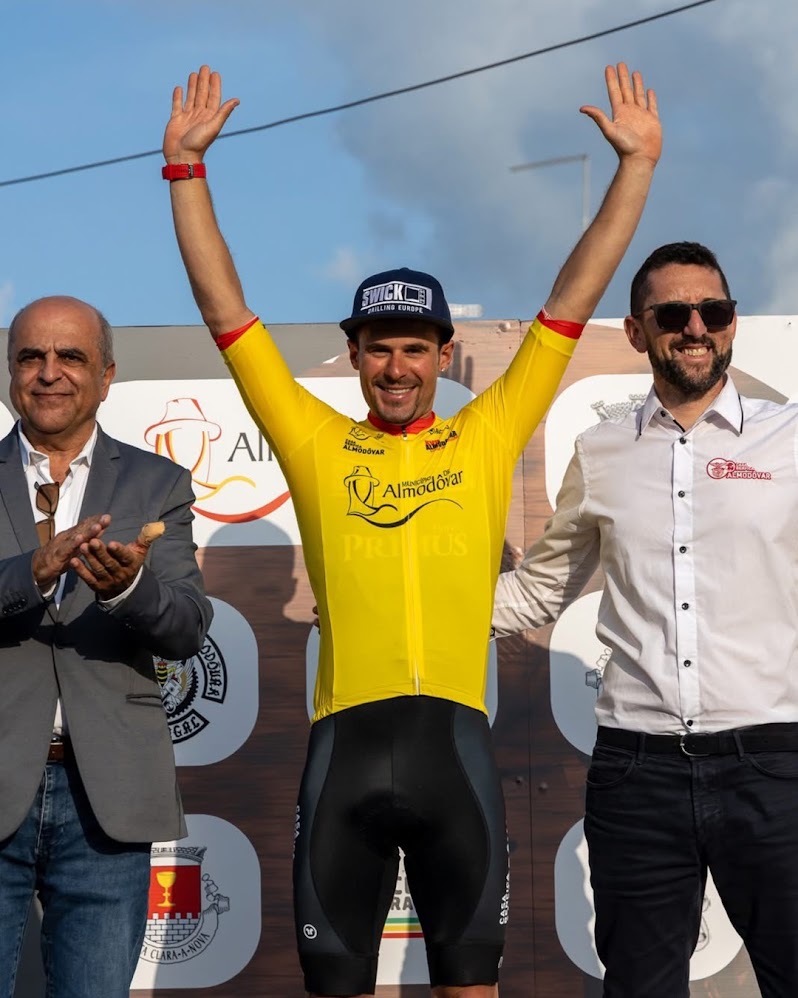
In cycling, it’s tempting to focus on single sessions, power numbers, or how strong you feel on a good day.
However, real fitness — the kind that shows up week after week and holds up under fatigue — is built through consistency, not isolated efforts.
ZONE 2 ISN’T EASY: WHY LOW- INTENSITY BUILD HIGH-PERFORMANCE CYCLISTS
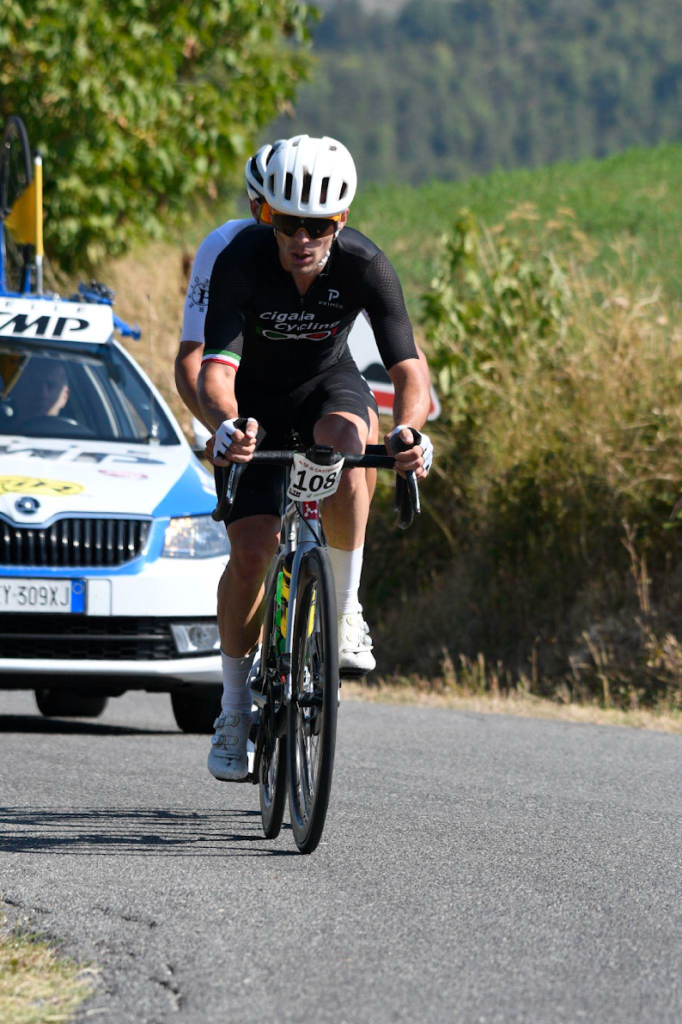
Zone 2 raises your floor; the part of fitness you rely on all day long.
TRAINING FASTED. AT HIGH INTENSITY OR LOW INTENSITY?
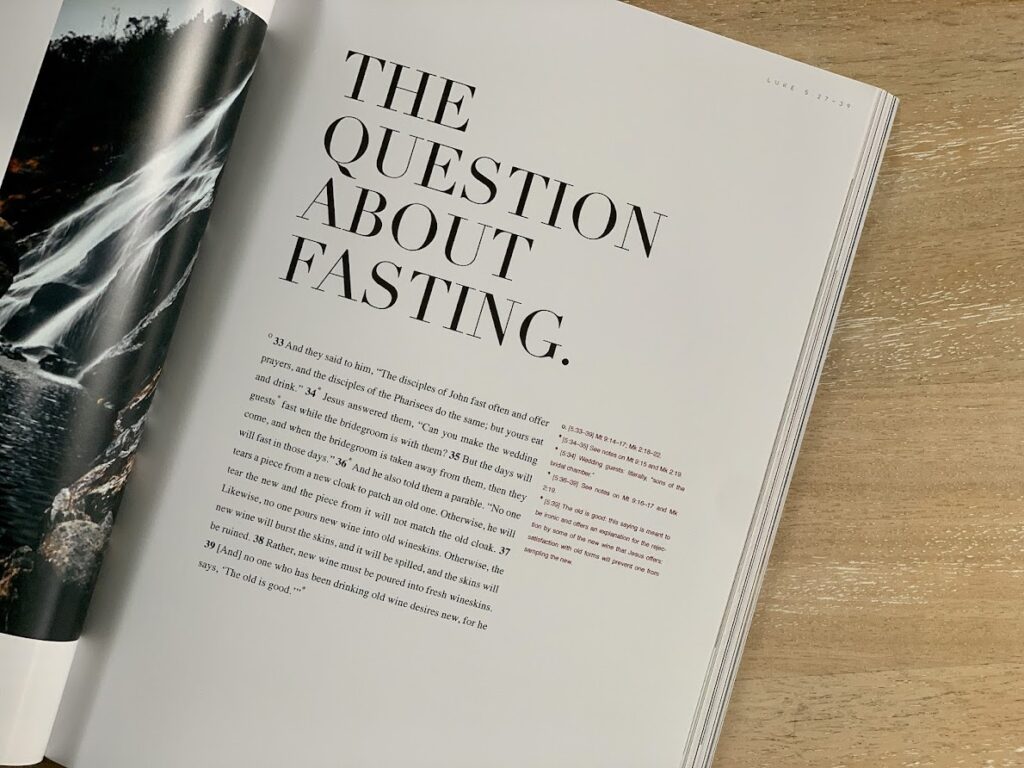
Therefore, fasted training should be carried out at low intensity at a steady-state (aerobic activity, below the aerobic threshold) In fact, during fasting, the levels of the hormone insulin are kept low, consequently, there will be, in contrast, a high level of glucagon, a hormone that elevates the levels of blood sugar (glycemia), but also of the receptors at the level of the adipocytes, favouring the lipolysis (demolition of body fat for energy purposes).
THE IMPORTANCE OF POTENTIATION IN WARM-UPS
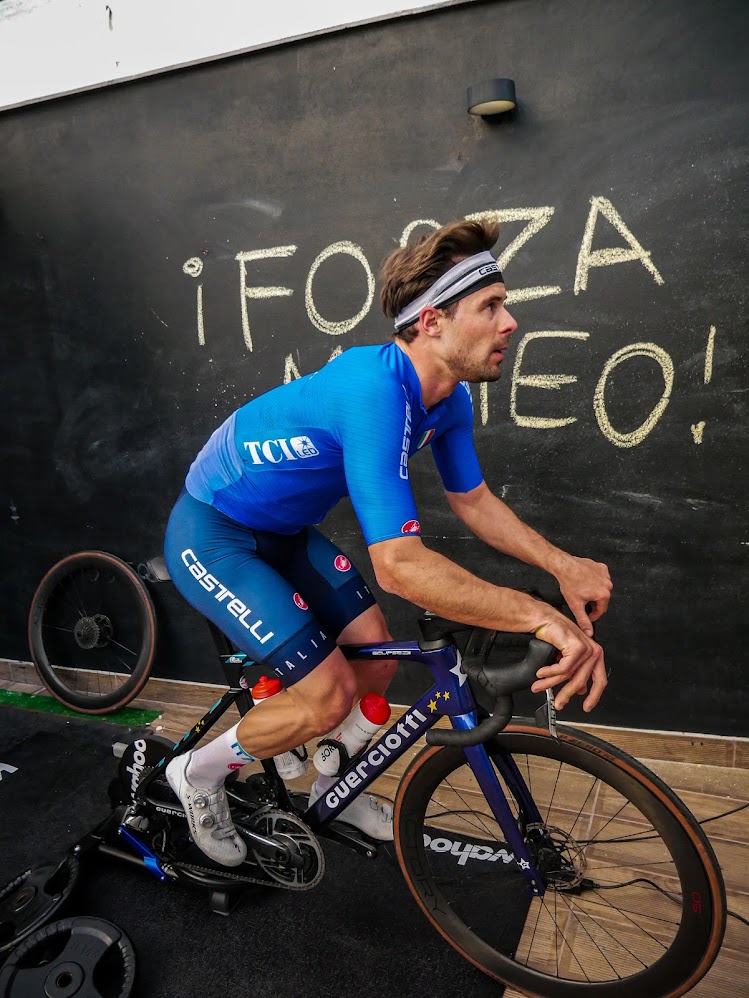
In endurance and high-intensity sports, performance is often determined by how well athletes can recruit power, sustain intensity, and resist fatigue. While traditional warm-ups focus on raising body temperature and mobilizing joints, a more performance-oriented approach involves potentiation – priming the neuromuscular system to perform at its highest capacity.
HEAT TRAINING, WHY IT’S A GAME CHANGER FOR ENDURANCE ATHLETES

As cyclists, we constantly look for ways to gain that small percentage. Whether it’s training harder, recovering smarter, fuelling more effectively or by upgrading bike parts. Yes, every detail matters.
One of the most overlooked yet powerful tools we have at our disposal is heat training.
Over the past few seasons, I’ve integrated heat protocols into the training plans of riders preparing for stage races, summer events, or even altitude blocks. The results have been unquestionable. Here’s why heat training deserves a place in your training routine.
A NUTRITIONIST’S GUIDE ON SURVIVING CHRISTMAS

Christmas and New Year are widely associated with indulgence. As the year comes to an end, the social events with family, friends & colleagues build up, in conjunction with meet-ups often centered on and around food & drink.
THE SECRETS OF WEIGHT LOSS

Intermittent fasting can help boost your metabolism and burn fatty cells.
EFFECTIVE FUELLING TECHNIQUES FOR WINTER TRAINING FOR CYCLISTS
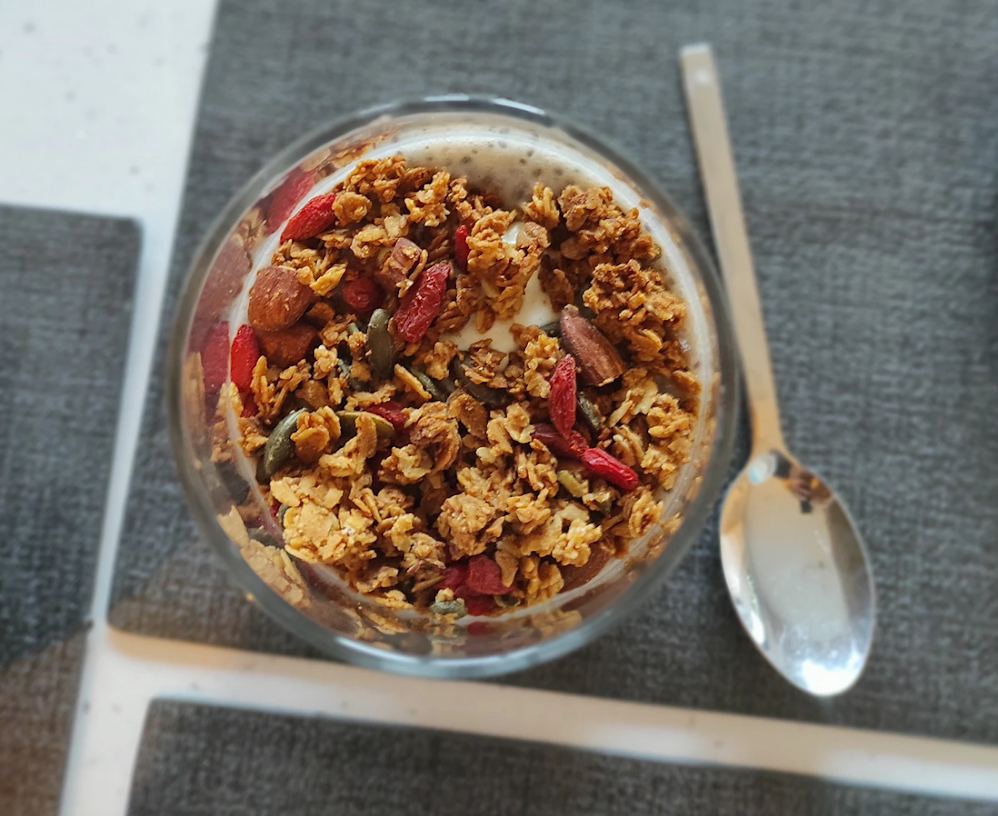
You should consume a combination of carbohydrates and protein. Carbohydrates to replenish the stores in your muscles and protein to aid the recovery of muscle damage. The sooner the better as our bodies have a 30 minute ‘anabolic window’ post training.