

The Belgian Waffle Ride has grown from a California cult classic into one of the most talked-about events on the US calendar, and for good reason. It’s not a road race, and it’s not a gravel race — it’s both, stitched together with punchy climbs, sustained dirt sectors, and a level of unpredictability that a normal century ride simply doesn’t prepare you for. Depending on the location you choose (California, Utah, North Carolina, and more have joined the series), you’re looking at 130-215km with anywhere from 20-40% of that on unpaved surfaces.
I’ve worked with riders preparing for BWR who came from a strong pure-road background, and the lesson is consistent: road fitness alone is not enough. The surface changes change everything — how you pace, how you handle the bike, and how much you need in reserve for the final unpaved sectors when the group has already split apart.
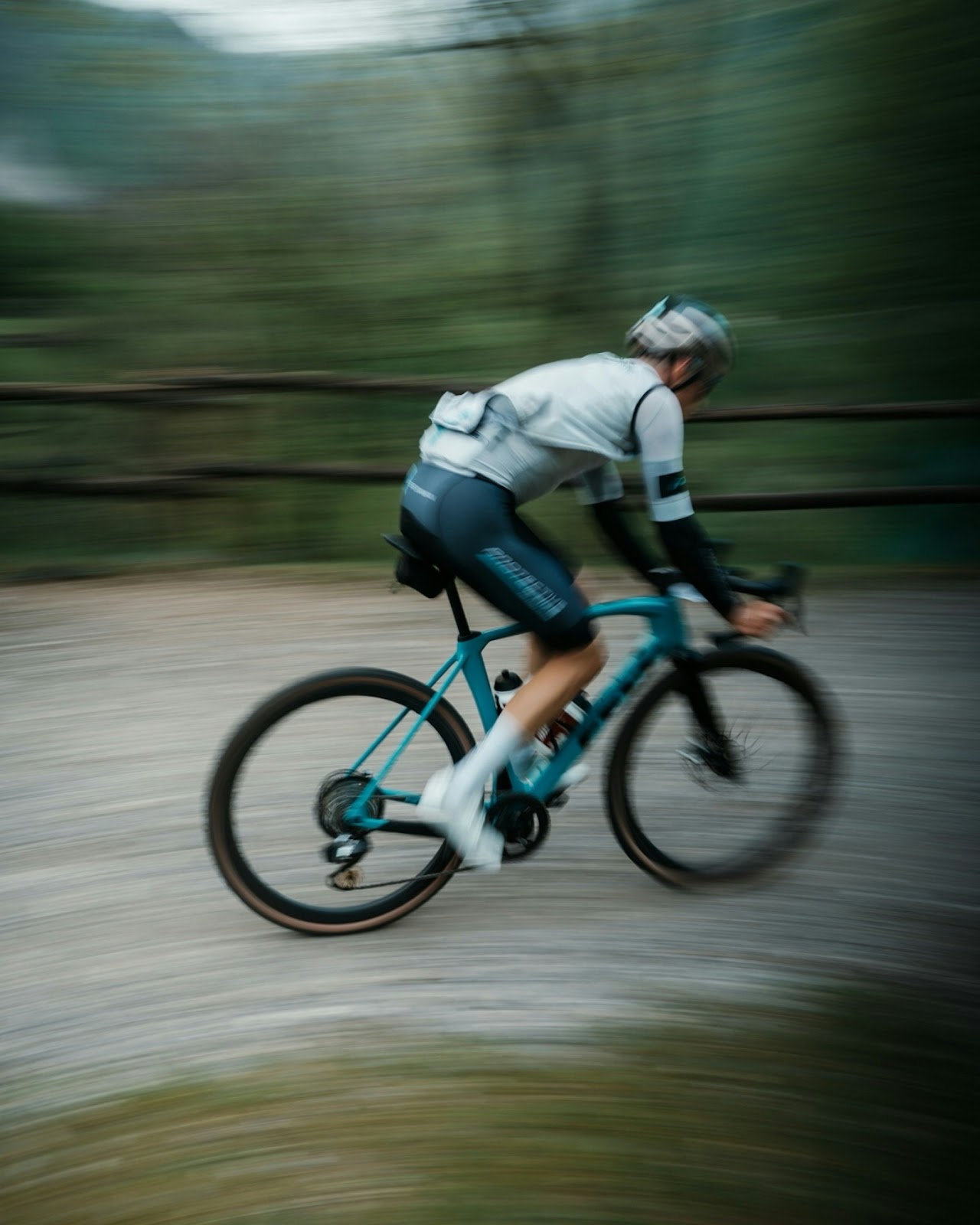
Why BWR Is a Different Physiological Problem Than a Road Century
Many riders prepare for a 200km sportive simply by riding longer every weekend. While endurance is important, A flat-out road century rewards a rider who can hold a steady, efficient effort. BWR punishes that same rider the moment the road turns to dirt, because:
- The “waffle” itself — the course is deliberately unpredictable, mixing pavement, hardpack, sand, and rutted farm roads. Riders who’ve only ever trained on one surface type get caught out by the transitions, not just the terrain itself.
- Power output becomes far more variable. Rough surfaces force constant micro-accelerations and decelerations rather than a smooth, steady wattage — this is a much higher neuromuscular and metabolic cost for the same average power.
- Bike handling directly affects your energy expenditure. A rider who’s tense and inefficient on gravel burns significantly more energy than one who’s relaxed and reads the terrain well — this is trainable, but it’s rarely trained.
Building the Engine: 14-18 Weeks Out
- Mixed-surface long rides. If you have any gravel or dirt access near you, your weekly long ride should include it — even 20-30% unpaved content builds the specific handling and pacing skills BWR demands. If you’re in a purely paved area, look for rail trails, fire roads, or even grass sections to simulate the surface change.
- Variable-power interval work. Rather than smooth, steady threshold intervals, build in surges — 30 seconds hard, 30 seconds easy, repeated for 15-20 minutes — to prepare the legs for the on-off demand of technical terrain.
- Aerobic base volume, same as any long endurance event — BWR’s longer routes are firmly ultra-endurance territory, and under-cooked aerobic fitness will show up in the final third of the race regardless of how strong your gravel-specific work is.
Race-Specific Phase: 6-8 Weeks Out
- Back-to-back long rides on tired legs, simulating the accumulated fatigue of a 6+ hour day, with the second ride including your hardest available terrain.
- Practice riding in a group on dirt. Pack dynamics on unpaved sectors are riskier and more physically demanding than pack riding on tarmac — line choice and following distance both need to change, and that’s much safer to learn in training than mid-race.
- Dial in your equipment under race conditions, not the week before. Tire choice and pressure make a bigger difference to your result at BWR than almost any other single variable, and it needs testing on terrain that matches race day, not just around the block.
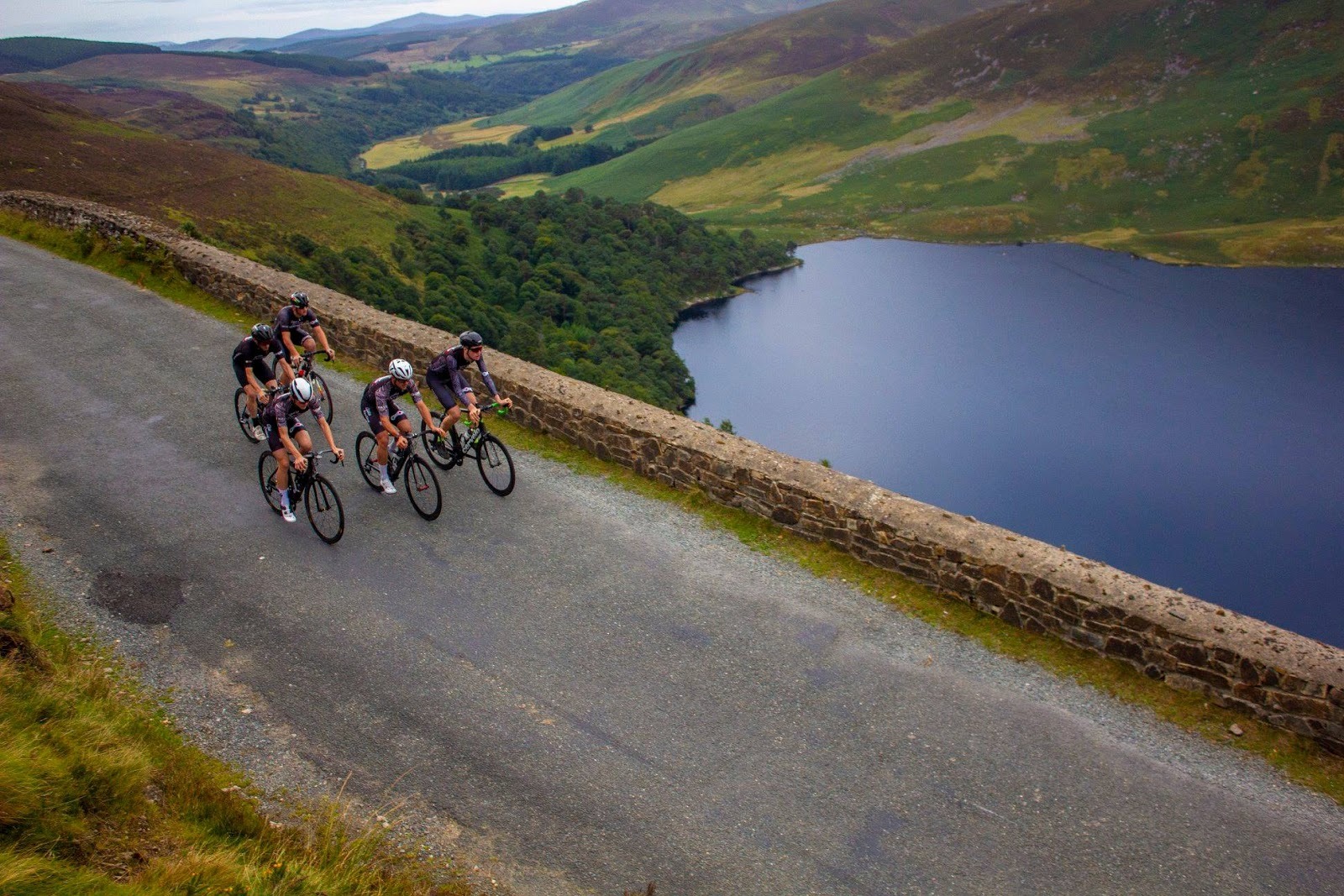
Taper: The Final Two Weeks
Drop volume, keep a small amount of intensity to stay sharp, and use this window to finalise — not experiment with — your bike setup. This is not the time to try a new tire or a new nutrition product for the first time.
Race Day: What Actually Wins or Loses You the Ride
- Start conservatively through the first paved sections.
It’s tempting to go out hard with a fast group on smooth roads, but that effort compounds badly once the surface changes and the real work begins.
- Fuel on a schedule, not on feel, especially through longer dirt sectors where it’s harder to reach into pockets or bottles comfortably. Plan your intake around the terrain, not just the clock.
- Relax your upper body on rough sections. Riders who grip the bars tightly and fight the terrain fatigue far faster than riders who let the bike move underneath them — this is a skill, and it’s worth practicing deliberately in training, not discovering for the first time on race day.
- Riding within your planned power or heart rate zones.
- Eating consistently every 20–30 minutes.
- Drinking regularly, regardless of temperature.
- Maintaining a comfortable cadence on every climb.
- Saving your best efforts for the final third of the route.
Many riders lose their event within the first two hours by riding above their sustainable pace.
How We Build This Into a Coaching Plan
Mixed-surface events like BWR reward a very specific blend of aerobic depth, variable-power capacity, and terrain-specific skill — and that blend looks different for every rider depending on their background and local terrain access. As part of our cycling coaching in the USA, we build plans around your actual training environment and current numbers (CP, W′, FTP), so the prep is specific to the event you’re targeting rather than a generic gravel template.
FAQ
Do I need a gravel bike for the Belgian Waffle Ride, or can I ride a road bike with wider tires?
Most riders run a road bike or all-road bike with wider tires (32-38mm depending on the course) rather than a full gravel bike, since the majority of most BWR routes is still paved. Tire choice should be dictated by the specific course you’re riding — check the current year’s route breakdown before deciding.
How much of my training should be off-road?
As a rough guide, aim to match your training surface mix to the race’s surface mix — if the course is roughly 25% unpaved, your long rides should reflect something close to that ratio in the specific-prep phase, even if your base training stays more road-focused.
Is BWR harder than a typical gravel century?
It’s a different kind of hard. The surface transitions and pack dynamics on the paved sections add a tactical and technical layer that a straightforward gravel century doesn’t have — most riders find the unpredictability more demanding than the raw distance or climbing.
How long before race day should I start specific preparation?
14-18 weeks gives enough time to build both the aerobic base and the surface-specific skills properly, assuming a reasonable existing fitness level. Riders starting from a lower base should allow longer.
Matteo Cigala
Founder & Head Coach