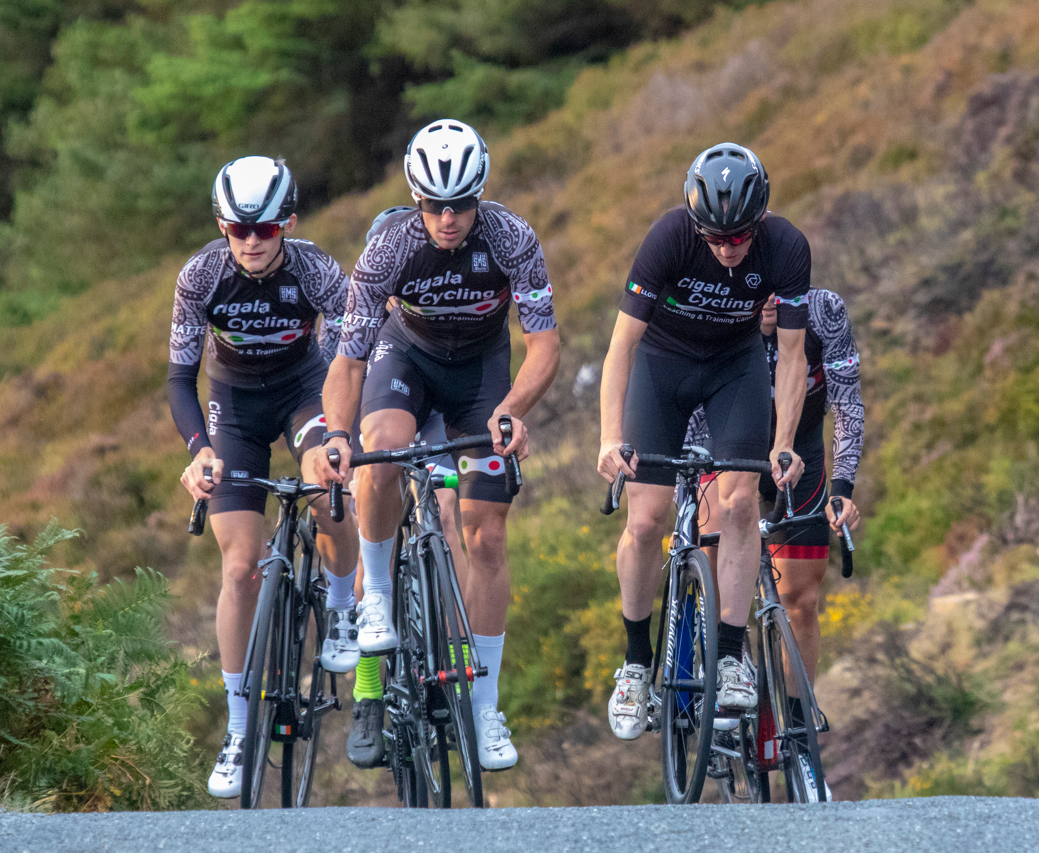
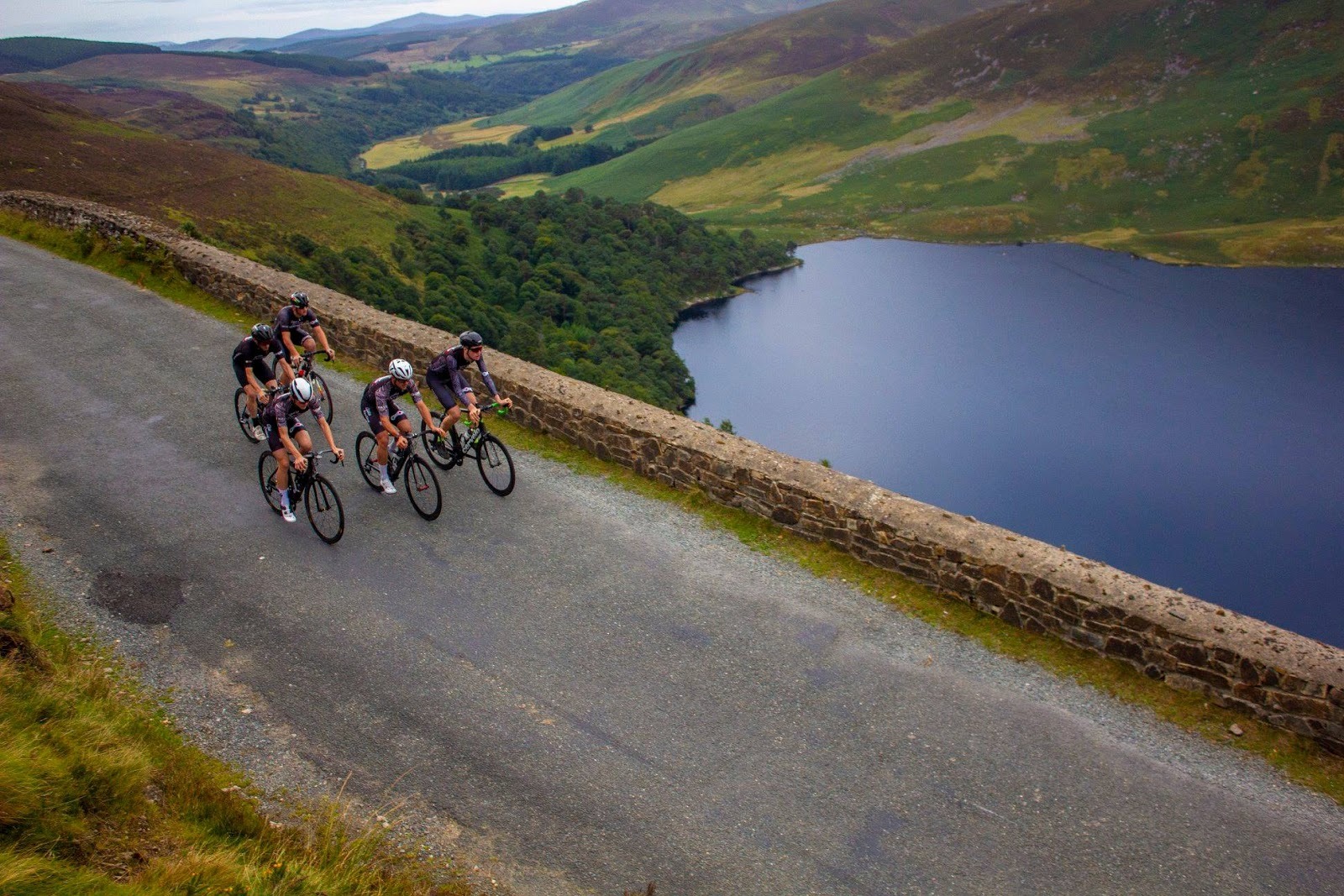
If you’re preparing for the W200, you’re taking on one of Ireland’s most demanding and iconic sportives. Covering approximately 200km through the stunning yet unforgiving roads of County Wicklow, the route packs in around 3,000–3,500 metres of climbing, depending on the edition. With long mountain passes, relentless rolling terrain and Ireland’s famously unpredictable weather, it’s a sportive that rewards smart preparation rather than simply high fitness.
Unlike events that are defined by one legendary climb, the W200 is a constant test. The climbing never truly stops, the roads are rarely flat, and riders who pace poorly early in the day often find themselves struggling during the final hours.
Having coached riders targeting the W200 over several seasons, I’ve found that success isn’t determined by who can produce the highest power for twenty minutes. It’s determined by who can still climb efficiently after seven or eight hours in the saddle.
Why the W200 Requires Specific Preparation
Many riders prepare for a 200km sportive simply by riding longer every weekend. While endurance is important, distance alone won’t prepare you for the demands of the W200.
The event challenges riders in several different ways:
- Aerobic endurance to sustain a steady effort for eight to ten hours.
- Climbing durability, allowing you to produce consistent power after thousands of metres of elevation gain.
- Nutrition management, ensuring energy levels remain stable throughout the day.
- Pacing discipline, avoiding the common mistake of riding too hard in the opening hours.
The riders who perform best are rarely the strongest early in the ride—they’re the ones still feeling strong over the final climbs.
Building the Foundation: 12–16 Weeks Before the Event
The first phase of training should focus on building your aerobic engine while gradually introducing climbing-specific work.
Aim to complete:
- One progressively longer endurance ride each week, increasing towards 5–7 hours.
- One threshold or sweet spot session to improve sustained climbing power.
- One dedicated climbing session focusing on longer efforts between 10 and 30 minutes.
- Plenty of Zone 2 riding to improve fatigue resistance and aerobic efficiency.
If you live outside Wicklow or don’t have regular access to long climbs, indoor training can effectively replicate sustained climbing efforts.
Race-Specific Training: 6–8 Weeks Out
This is where training begins to resemble the demands of the event itself.
Long rides should include multiple climbs during the second half of the ride rather than the first, teaching your body to climb efficiently while fatigued.
Include sessions such as:
- Back-to-back riding days to improve durability.
- Tempo and threshold intervals after several hours of riding.
- Long climbing intervals at a steady pace.
- Practice your race-day nutrition exactly as planned.
The W200 isn’t won by producing your highest numbers—it’s completed by maintaining consistent performance from start to finish.
The Importance of Nutrition
Nutrition is one of the biggest differentiators between riders who finish comfortably and those who struggle during the final hours.
Aim to consume 60–90 grams of carbohydrate per hour, beginning within the first 30 minutes of the ride. Hydration should remain consistent throughout the day, even if temperatures are cool.
Never try new nutrition products on event day. Every gel, drink and snack should already have been tested during training.
Taper: The Final Two Weeks
During the last fortnight, reduce training volume while maintaining some intensity.
Short threshold efforts help keep the legs responsive without creating fatigue. Prioritise sleep, recovery and carbohydrate intake rather than trying to gain additional fitness.
By this stage, the work has already been done.
Race Day Strategy
The W200 rewards patience.
Start conservatively and resist the temptation to follow stronger groups during the opening hours.
Focus on:
- Riding within your planned power or heart rate zones.
- Eating consistently every 20–30 minutes.
- Drinking regularly, regardless of temperature.
- Maintaining a comfortable cadence on every climb.
- Saving your best efforts for the final third of the route.
Many riders lose their event within the first two hours by riding above their sustainable pace.
Equipment Recommendations
Choosing the right equipment can make a significant difference over 200 kilometres.
For most riders, a 50/34 compact chainset paired with an 11–34 cassette offers excellent versatility for Wicklow’s steep climbs.
Comfort also matters. Quality tyres, appropriate clothing for changing weather conditions and a professional bike fit all contribute to better performance during long endurance events.
Ready to Take on the W200?
Every rider arrives with different strengths, weaknesses and training availability. Some cyclists already have the endurance but need to improve their climbing, while others climb well but struggle to maintain performance after six or seven hours on the bike.
At Cigala Cycling, we don’t use generic training plans. Every coaching programme is built around your goals, available training time and current fitness, using performance metrics such as Critical Power (CP), W′ modelling and durability analysis to ensure every session has a purpose. Whether you’re aiming to complete your first W200 or achieve a personal best, we’ll create a structured plan that fits around your lifestyle and maximises every hour you have available to train.
Explore our Basic, Advanced and Premium Coaching Packages to find the level of support that’s right for you.
View our coaching packages HERE
FAQ
How long should I train for the W200?
Ideally, begin specific preparation 12–16 weeks before the event if you already have a solid aerobic base. Riders starting from lower fitness should allow 20–24 weeks.
Is the W200 suitable as a first 200km sportive?
It can be, but only with proper preparation. Riders should already be comfortable completing rides of at least 120–150km before beginning their final event-specific training.
What gearing is recommended?
Most riders will benefit from a 50/34 compact chainset combined with an 11–34 cassette, allowing comfortable climbing while preserving energy.
How much should I eat during the ride?
Aim for 60–90g of carbohydrate per hour, together with adequate hydration and electrolytes. Practice your nutrition strategy throughout training.
Matteo Cigala
Founder & Head Coach